
With HIPAA Compliance for Health Records at the forefront, this paragraph opens a window to an amazing start and intrigue, inviting readers to embark on a storytelling journey filled with unexpected twists and insights.
Understanding the importance of HIPAA compliance in safeguarding health records is crucial in the healthcare industry. Non-compliance can lead to severe consequences and jeopardize patient confidentiality.
HIPAA Compliance for Health Records
Ensuring HIPAA compliance is crucial in safeguarding the confidentiality and security of health records. By adhering to HIPAA regulations, healthcare providers and organizations protect sensitive patient information from unauthorized access, breaches, and misuse.
Importance of HIPAA Compliance
HIPAA compliance plays a vital role in maintaining patient trust and privacy within the healthcare system. It establishes standards and safeguards to protect the integrity of health records and prevent potential data breaches that could compromise patient confidentiality.
Consequences of Non-Compliance
- Financial Penalties: Violations of HIPAA regulations can result in significant fines imposed on healthcare entities, ranging from thousands to millions of dollars.
- Legal Action: Non-compliance may lead to legal repercussions, including lawsuits and sanctions against the organization or individual responsible for the breach.
- Reputational Damage: Failure to comply with HIPAA can tarnish the reputation of healthcare providers, resulting in loss of patient trust and credibility.
Role of HIPAA in Patient Confidentiality
HIPAA serves as a protective shield for patient confidentiality by outlining strict guidelines for the handling, storage, and sharing of health information. It ensures that only authorized individuals have access to patient records, maintaining the privacy and security of sensitive data.
Healthcare Access
Ensuring HIPAA compliance plays a crucial role in determining the access individuals have to healthcare services. By protecting patient information and privacy, HIPAA regulations contribute to creating a secure environment for patients to seek medical attention.
Benefits of Ensuring HIPAA Compliance for Improving Healthcare Access
- Enhanced trust: Patients are more likely to seek medical help if they trust that their sensitive information is being safeguarded according to HIPAA standards.
- Efficient care coordination: With secure and compliant sharing of patient data among healthcare providers, the coordination of care becomes smoother, leading to better access to comprehensive healthcare services.
- Reduced barriers: By ensuring compliance with HIPAA regulations, healthcare organizations can eliminate barriers related to privacy concerns, allowing patients to access care without hesitation.
Challenges in Maintaining HIPAA Compliance While Ensuring Access to Care
- Complexity of regulations: Healthcare providers may struggle to keep up with the evolving HIPAA requirements and implement necessary changes to comply while focusing on providing timely access to care.
- Balancing security and accessibility: Finding the right balance between maintaining strict security measures to protect patient information and ensuring easy access to healthcare services can be a challenge for healthcare organizations.
- Employee training: Training staff members on HIPAA compliance protocols and ensuring their adherence to these regulations can be time-consuming and resource-intensive, potentially affecting the efficiency of healthcare delivery.
Healthcare Costs
When it comes to healthcare costs, HIPAA compliance plays a crucial role in determining the financial impact on healthcare organizations and patients alike. By safeguarding sensitive patient information, HIPAA regulations help prevent costly data breaches and potential legal penalties.
Impact of HIPAA Compliance on Healthcare Expenses
- Investing in secure electronic health records (EHR) systems and encryption technology can initially increase upfront costs for healthcare organizations. However, the long-term benefits in terms of data security and regulatory compliance can outweigh these expenses.
- Failure to comply with HIPAA regulations can result in hefty fines and legal fees for healthcare providers, leading to significant financial losses.
- Implementing regular staff training on HIPAA policies and procedures can help prevent accidental breaches and reduce the risk of costly data exposure.
Strategies for Balancing Cost-efficiency with HIPAA Compliance
- Conducting regular risk assessments to identify vulnerabilities in data security and compliance practices can help healthcare organizations prioritize investments in areas that need improvement.
- Utilizing cloud-based storage solutions with built-in encryption and access controls can provide a cost-effective way to secure patient data while maintaining HIPAA compliance.
- Outsourcing certain HIPAA compliance tasks to third-party providers with expertise in healthcare regulations can help reduce operational costs for healthcare organizations.
Healthcare Providers
Healthcare providers play a crucial role in ensuring HIPAA compliance to protect patient information and maintain trust in the healthcare system. They are responsible for safeguarding sensitive data and following strict guidelines to prevent unauthorized access or disclosure.
Responsibilities of Healthcare Providers
- Implementing secure data storage systems to protect patient information.
- Training staff on HIPAA regulations and best practices for handling sensitive data.
- Obtaining patient consent before sharing any medical information with third parties.
- Regularly auditing systems to identify and address any security vulnerabilities.
Best Practices for Protecting Patient Information
- Encrypting electronic health records to prevent unauthorized access.
- Using strong passwords and access controls to limit who can view patient data.
- Implementing secure communication channels for sharing sensitive information.
- Backing up data regularly to ensure it can be recovered in case of a breach.
Impact on Healthcare Provider-Patient Relationship
HIPAA compliance helps build trust between healthcare providers and patients by ensuring that their sensitive information is kept confidential and secure.
Patients are more likely to share personal information and seek necessary medical care when they trust that their privacy is respected and protected.
Health Insurance
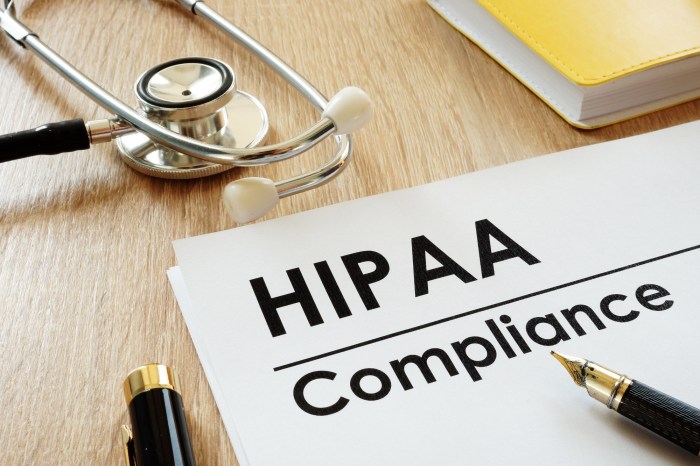
When it comes to maintaining HIPAA compliance, health insurance companies play a crucial role in safeguarding patient information and ensuring that all regulations are followed diligently.
Role of Health Insurance Companies in Maintaining HIPAA Compliance
Health insurance companies are responsible for handling a vast amount of sensitive patient data, including medical records, billing information, and insurance claims. To maintain HIPAA compliance, these companies must implement strict security measures, ensure the confidentiality of patient information, and adhere to all regulations Artikeld in the HIPAA Privacy Rule.
- Implementing secure data encryption protocols to protect patient information.
- Training employees on HIPAA regulations and privacy practices.
- Conducting regular audits and assessments to identify and address any potential risks to patient data security.
Impact of HIPAA Regulations on Insurance Claims and Patient Information
HIPAA regulations have a significant impact on how health insurance companies handle insurance claims and patient information. These regulations require insurance companies to ensure the confidentiality, integrity, and availability of patient data, as well as to provide patients with control over their own health information.
- Obtaining patient consent before sharing any medical information with third parties.
- Implementing secure electronic systems to process and store insurance claims.
- Maintaining detailed audit trails to track access to patient information and detect any unauthorized activities.
Examples of How Health Insurance Companies Ensure Compliance with HIPAA Standards
Health insurance companies employ various strategies to ensure compliance with HIPAA standards and protect patient information from unauthorized access or disclosure.
For example, insurance companies may conduct regular security training sessions for employees to educate them on the importance of maintaining patient confidentiality and the consequences of HIPAA violations.
- Implementing access controls to restrict employee access to patient data based on job roles and responsibilities.
- Encrypting data transmissions to prevent interception and unauthorized access.
- Regularly updating security measures and protocols to address emerging threats and vulnerabilities.
Health Policies
Developing health policies in the healthcare industry is heavily influenced by HIPAA compliance regulations. These regulations set the standards for protecting patient information and ensuring data security across healthcare organizations.
Influence of HIPAA Compliance on Health Policies
- Health policies need to align with HIPAA regulations to ensure the confidentiality and security of patient health records.
- Organizations must implement policies and procedures that comply with HIPAA requirements to safeguard patient information.
- HIPAA compliance influences policy development to prioritize patient privacy and data protection.
Regulatory Requirements for Health Policies under HIPAA
- Health policies must adhere to HIPAA regulations such as the Privacy Rule, Security Rule, and Breach Notification Rule.
- Policies should define how patient information is accessed, used, and disclosed within the organization while maintaining compliance with HIPAA standards.
- Organizations must conduct regular audits and risk assessments to ensure policies meet HIPAA requirements.
Implications of Non-Compliance with HIPAA Regulations on Healthcare Policy Implementation
- Non-compliance with HIPAA regulations can lead to significant financial penalties for healthcare organizations.
- Failure to adhere to HIPAA requirements can result in reputational damage and loss of patient trust.
- Non-compliance may hinder effective policy implementation and compromise the security of patient health information.
Health Records
Health records are crucial documents that contain information about an individual’s medical history, treatments, medications, test results, and more. These records are protected under HIPAA regulations to ensure patient privacy and confidentiality.
Types of Health Records Protected Under HIPAA
- Electronic Health Records (EHR): Digital versions of a patient’s paper chart, containing all medical history and treatment details.
- Medical Charts: Physical records kept by healthcare providers, including diagnoses, medications, and progress notes.
- Insurance Information: Details about a patient’s insurance coverage and billing records for healthcare services.
Security Measures for Electronic Health Records
- Encryption: Data should be encrypted to protect it from unauthorized access.
- Access Controls: Only authorized personnel should have access to electronic health records.
- Regular Audits: Periodic assessments should be conducted to ensure compliance with security protocols.
- Secure Communication: Patient information should be shared securely to prevent breaches.
Rights of Patients Regarding Access to Health Records
- Access: Patients have the right to request and obtain copies of their health records.
- Amendments: Patients can request corrections or additions to their health records if they believe the information is inaccurate.
- Disclosure: Patients can request a list of entities that have accessed their health records.
Health Screening
Health screening plays a crucial role in preventive healthcare by identifying potential health risks early on. HIPAA compliance impacts the process of health screening and data collection by setting strict guidelines to protect patient privacy and ensure the accuracy and confidentiality of health screening results.
HIPAA Compliance and Patient Privacy
- HIPAA regulations require healthcare providers to obtain patient consent before collecting, storing, or sharing any health information during screening procedures.
- Healthcare professionals must use secure electronic systems and physical safeguards to prevent unauthorized access to patient data.
- Patient identifiers must be removed or encrypted to maintain anonymity and confidentiality during data collection and analysis.
Importance of Maintaining Patient Privacy
- Respecting patient privacy builds trust between healthcare providers and patients, encouraging individuals to seek necessary screenings without fear of privacy breaches.
- Confidentiality safeguards ensure that sensitive health information is protected from unauthorized disclosure, reducing the risk of discrimination or stigmatization.
- Protecting patient privacy is not only a legal requirement under HIPAA but also an ethical obligation to uphold patient dignity and autonomy.
Role of HIPAA in Ensuring Accuracy and Confidentiality
- HIPAA guidelines help healthcare providers maintain the integrity of health screening results by ensuring that only authorized personnel have access to patient data.
- Secure data transmission and storage practices mandated by HIPAA reduce the risk of data breaches or tampering, preserving the accuracy and reliability of screening outcomes.
- By enforcing strict confidentiality measures, HIPAA fosters a culture of trust and accountability in healthcare settings, promoting quality care and patient satisfaction.
As we conclude our exploration of HIPAA Compliance for Health Records, it’s evident that adherence to these regulations is paramount for protecting patient information and ensuring quality healthcare delivery.
Commonly Asked Questions
How does HIPAA compliance affect healthcare costs?
HIPAA compliance can impact healthcare costs by requiring organizations to invest in security measures and training to protect patient information, which can lead to increased expenses.
What are the rights of patients regarding access to their health records under HIPAA guidelines?
Patients have the right to access their health records, request corrections, and receive copies of their information under HIPAA guidelines.
How does HIPAA influence health policy development?
HIPAA compliance influences health policy development by setting regulatory requirements that policies must adhere to in order to ensure patient privacy and data security.


