
Delving into the realm of Health Screening Guidelines 2024, embark on a journey through the evolution and importance of these guidelines, crafted to optimize healthcare outcomes with precision and care.
Explore the latest innovations and key components that shape the landscape of preventive healthcare in the upcoming year.
Health Screening Guidelines 2024
Health screening guidelines play a crucial role in healthcare by helping identify potential health issues in individuals before they become serious problems. These guidelines are essential for early detection and prevention of diseases, ultimately improving overall health outcomes.
Over the years, health screening guidelines have evolved to incorporate advances in medical research, technology, and understanding of various health conditions. The continuous updates ensure that healthcare providers are equipped with the most effective tools and strategies to promote wellness and prevent illnesses.
Key Components of Health Screening Guidelines 2024
- Regular Blood Pressure Monitoring: Regular blood pressure checks are recommended to detect and manage hypertension, a leading risk factor for heart disease and stroke.
- Cholesterol Screening: Screening for cholesterol levels helps assess the risk of heart disease and guides interventions to lower cholesterol levels through lifestyle changes or medications.
- Colorectal Cancer Screening: Guidelines for colorectal cancer screening aim to detect precancerous polyps or early-stage cancer to improve treatment outcomes and reduce mortality rates.
- Breast Cancer Screening: Recommendations for mammograms and clinical breast exams help detect breast cancer at early stages when treatment is most effective.
- Immunizations: Guidelines for routine vaccinations protect individuals against infectious diseases, contributing to public health by preventing outbreaks and reducing healthcare costs.
Healthcare Access
Healthcare access plays a crucial role in the implementation of health screening guidelines as it ensures that individuals have the opportunity to receive necessary screenings and preventive care to maintain their health and well-being.
Disparities in Healthcare Access
Access to healthcare services can vary significantly among different demographics, leading to disparities in health outcomes. Factors such as socioeconomic status, race, ethnicity, geographic location, and insurance coverage can all impact an individual’s ability to access healthcare services.
- Individuals from low-income backgrounds may face barriers such as lack of transportation, limited availability of healthcare providers, and financial constraints that prevent them from accessing necessary screenings.
- Minority populations, including Black, Hispanic, and Indigenous communities, may experience discrimination and bias in healthcare settings, leading to reduced access to quality care and preventive services.
- Rural areas often have limited healthcare facilities and providers, making it challenging for residents to access screenings and medical care without traveling long distances.
Challenges in Ensuring Equal Healthcare Access
Despite efforts to improve healthcare access, there are still challenges in ensuring equal access for all individuals, regardless of their background or circumstances.
- Structural barriers, such as lack of health insurance or high out-of-pocket costs, can prevent individuals from seeking necessary screenings and preventive care.
- Language barriers and cultural differences can create challenges in communication between healthcare providers and patients, leading to misunderstandings and gaps in care.
- Healthcare workforce shortages in certain areas can limit access to screenings and preventive services, especially in underserved communities.
Healthcare Costs
Healthcare costs play a significant role in determining individuals’ adherence to health screening guidelines. The financial burden associated with medical expenses can sometimes deter people from seeking preventive care, including routine screenings.
Factors Contributing to Rising Healthcare Costs
- The advancement of medical technology and treatments, while beneficial, often comes with a hefty price tag. New innovations and procedures can drive up healthcare costs.
- Administrative costs within the healthcare system, including billing and insurance processing, contribute to the overall expenses incurred by patients.
- Prescription drug prices have been on the rise, making medications less affordable for many individuals, impacting their ability to follow through with recommended screenings.
Strategies to Make Healthcare More Affordable
- Implementing price transparency initiatives can help patients make informed decisions about their healthcare services and choose more cost-effective options.
- Encouraging preventive care through incentives like reduced copayments or coverage for screenings can promote early detection and reduce overall healthcare costs in the long run.
- Addressing the root causes of high healthcare costs, such as inefficiencies in the system and unnecessary procedures, can lead to cost savings without compromising the quality of care provided.
Healthcare Providers
Healthcare providers play a crucial role in implementing health screening guidelines by offering services, conducting screenings, and interpreting results for patients.
Importance of Collaboration
Collaboration among healthcare professionals is essential for effective screenings as it ensures comprehensive care, accurate diagnosis, and timely interventions. By working together, providers can share knowledge, resources, and expertise to deliver high-quality preventive services.
Best Practices in Preventive Care
- Regularly educating patients on the importance of screenings and preventive measures to promote early detection and intervention.
- Utilizing electronic health records to track screenings, follow-ups, and referrals, ensuring continuity of care.
- Implementing evidence-based guidelines and protocols to standardize screening practices and improve outcomes.
- Collaborating with community organizations and public health agencies to reach underserved populations and increase screening rates.
Health Insurance
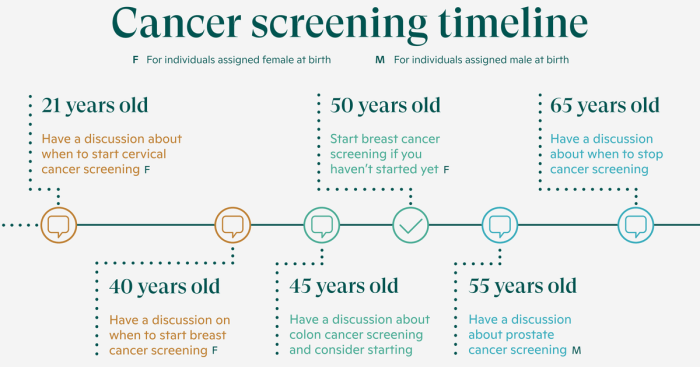
Health insurance plays a crucial role in ensuring individuals have access to necessary health screening services. By covering the costs associated with screenings, health insurance helps individuals prioritize their preventive healthcare needs.
Variations in Health Insurance Coverage
- Health insurance plans may vary in the types of screenings they cover, ranging from basic preventive screenings like blood pressure checks to more specialized tests like genetic screenings.
- Coverage may also differ based on the individual’s age, gender, family history, and overall health status.
- Some health insurance plans may offer full coverage for certain preventive screenings, while others may require co-payments or deductibles.
Impact on Adherence to Screening Guidelines
- Individuals with comprehensive health insurance coverage are more likely to adhere to recommended screening guidelines due to the financial support provided.
- On the other hand, those with limited coverage or high out-of-pocket costs may be less inclined to undergo screenings, potentially putting their health at risk.
- Health insurance policies that prioritize preventive care and offer incentives for screenings can positively influence individuals’ adherence to screening guidelines.
Health Policies
Health policies play a crucial role in shaping the development and implementation of screening guidelines, impacting healthcare systems worldwide.
Influence of Health Policies on Screening Guidelines
- Health policies dictate the allocation of resources towards preventive screenings, influencing the prioritization of certain screenings over others.
- Policy decisions can impact the accessibility and affordability of screenings for the population, shaping the overall effectiveness of preventive healthcare measures.
- Regulations set by policymakers can drive the standardization of screening protocols and guidelines, ensuring consistency and quality across healthcare facilities.
Comparison of Countries’ Health Policies on Preventive Screenings
- Different countries have varying approaches to preventive screenings, influenced by cultural norms, healthcare infrastructure, and budgetary constraints.
- Some nations prioritize population-wide screening programs, while others focus on targeted screenings for high-risk groups based on epidemiological data.
- Disparities in health policies can lead to differences in screening coverage, resulting in unequal access to preventive healthcare services globally.
Role of Policymakers in Shaping Future Screening Guidelines
- Policymakers have the responsibility to enact laws and regulations that promote evidence-based screening practices and ensure the safety and efficacy of screening procedures.
- Collaboration between policymakers, healthcare providers, and public health experts is essential to develop comprehensive screening guidelines that address evolving healthcare needs.
- Policy decisions should be informed by scientific research, public health data, and input from stakeholders to enhance the quality and relevance of screening guidelines in the future.
Health Records
Maintaining accurate health records is crucial for effective screenings as it provides healthcare providers with essential information about a patient’s medical history, current health status, and risk factors. This allows for personalized and targeted screenings to detect potential health issues early on.Electronic health records (EHRs) play a significant role in streamlining the screening process by centralizing patient information in a digital format.
EHRs enable healthcare providers to access and update patient records efficiently, leading to better coordination of care and timely screenings. Additionally, EHRs can help in tracking screening schedules, sending reminders to patients, and ensuring follow-up care is provided.
Data Privacy and Security Concerns
- Health records contain sensitive information that must be protected to maintain patient confidentiality and trust. Stringent measures need to be in place to safeguard health data from unauthorized access or breaches.
- Health screening programs must comply with data privacy regulations such as HIPAA to ensure the security and confidentiality of patient information. This includes secure storage, encryption, and restricted access to health records.
- Regular audits and assessments of data security protocols should be conducted to identify and address any vulnerabilities in the system that could compromise patient privacy.
- Training healthcare staff on data security best practices and the importance of maintaining patient confidentiality is essential to minimize the risk of data breaches in health screening programs.
Health Screening
Health screening is a proactive approach to preventive healthcare that involves testing individuals for early detection of diseases or risk factors before they exhibit symptoms. It plays a crucial role in identifying health issues early, allowing for timely intervention and treatment.
Common Health Screening Tests
Below are some examples of common health screening tests recommended in the guidelines:
- Blood pressure measurement: Helps in detecting hypertension, a risk factor for heart disease and stroke.
- Cholesterol screening: Identifies high levels of cholesterol, which can lead to heart disease.
- Colonoscopy: Screens for colon cancer and precancerous polyps in the colon.
- Blood glucose testing: Detects diabetes or prediabetes.
- Mammography: Used for breast cancer screening in women.
Benefits and Limitations of Population-wide Health Screening Initiatives
Population-wide health screening initiatives have both advantages and limitations:
- Benefits:
- Early detection of diseases leads to timely treatment and better health outcomes.
- Potentially reduces healthcare costs by preventing advanced disease stages that require intensive treatment.
- Raises awareness about preventive healthcare and encourages individuals to take charge of their health.
- Limitations:
- False-positive results can cause unnecessary anxiety and lead to further invasive tests.
- Overdiagnosis and overtreatment of conditions that may never cause harm.
- Resource-intensive for healthcare systems to implement on a large scale.
In conclusion, Health Screening Guidelines 2024 stand as a beacon of progress and commitment towards a healthier future, emphasizing the pivotal role of proactive healthcare measures in safeguarding well-being.
Answers to Common Questions
What are the key changes in the Health Screening Guidelines for 2024?
The 2024 guidelines focus on incorporating advanced screening technologies for more accurate results and enhancing preventive care strategies.
How do healthcare costs affect adherence to screening guidelines?
High healthcare costs can deter individuals from undergoing screenings, leading to gaps in preventive care. Implementing cost-effective strategies is crucial to ensure compliance.
What role do health policies play in shaping future screening guidelines?
Health policies influence the development and implementation of guidelines by setting standards and regulations that healthcare providers must adhere to for effective screenings.


