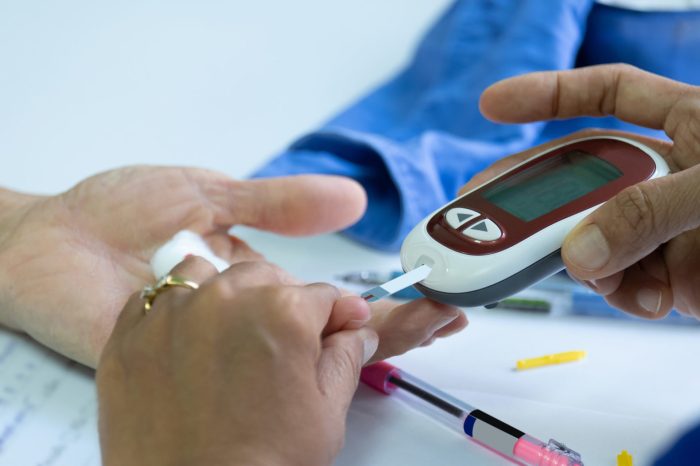
Embark on a journey through the world of Health Screening for Diabetes, where we unravel the importance, access, costs, providers, insurance coverage, policies, records, and technological advancements in diabetes screenings.
Overview of Health Screening for Diabetes
Regular health screening for diabetes is crucial in identifying the condition early on and managing it effectively. It involves a series of tests and assessments to determine blood sugar levels and assess the risk of developing diabetes.Early detection through health screening can help prevent complications associated with diabetes, such as heart disease, kidney damage, and nerve problems. It also allows for timely intervention and lifestyle modifications to manage the condition effectively.
Types of Screenings
- 1. Fasting Plasma Glucose Test: This test measures blood sugar levels after fasting for at least eight hours. It is a common screening method for diabetes.
- 2. Oral Glucose Tolerance Test: This test involves fasting overnight and then drinking a sugary solution to measure blood sugar levels over a few hours.
- 3. Hemoglobin A1c Test: This test provides an average of blood sugar levels over the past two to three months, giving a comprehensive view of blood sugar control.
Healthcare Access for Diabetes Screenings
Accessing diabetes screenings is crucial for early detection and management of the condition. Individuals can avail themselves of these screenings through various channels.
Access Points for Diabetes Screenings
There are several ways individuals can access diabetes screenings:
- Primary Care Providers: Regular visits to a primary care physician can include screenings for diabetes as part of routine check-ups.
- Community Health Centers: These centers often offer free or low-cost screenings for diabetes to individuals in underserved communities.
- Health Fairs and Screenings Events: Many organizations host events where individuals can get screened for diabetes without an appointment.
Barriers to Healthcare Access for Diabetes Screenings
Despite the availability of screenings, there are barriers that can prevent individuals from accessing them:
- Lack of Health Insurance: Without insurance coverage, individuals may struggle to afford the cost of screenings and related medical care.
- Geographic Barriers: Living in rural areas or areas with limited healthcare facilities can make it challenging to access screenings for diabetes.
- Lack of Awareness: Some individuals may not be aware of the importance of diabetes screenings or where to go to get screened.
Initiatives Improving Access to Screenings
Several initiatives have been implemented to improve access to screenings for diabetes:
- Mobile Screening Units: These units travel to different communities to provide on-the-spot screenings for diabetes, making it easier for individuals to get tested.
- Telemedicine Services: Virtual consultations and screenings allow individuals to access healthcare professionals remotely, eliminating geographic barriers.
- Community Outreach Programs: Programs that educate communities about the importance of diabetes screenings and provide resources for accessing screenings have been effective in improving access.
Healthcare Costs Related to Diabetes Screenings
Regular diabetes screenings are crucial for early detection and management of the condition. However, these screenings can come with associated costs that patients need to consider.
Typical Costs Associated with Diabetes Screenings
- Doctor’s visit fee: Typically, patients will need to pay for a consultation with a healthcare provider to discuss and undergo diabetes screenings.
- Laboratory tests: Blood tests, including fasting blood sugar levels, HbA1c tests, and glucose tolerance tests, may incur additional costs.
- Equipment: Some screenings may require the purchase of glucose monitors or other testing devices.
Comparison of Costs of Different Screening Methods
- Traditional clinic-based screenings: These screenings may involve higher costs due to consultation fees and laboratory charges.
- At-home testing kits: While convenient, at-home testing kits may also have costs associated with purchasing the kits and interpreting the results.
- Community health screenings: These screenings are often more cost-effective or even free, as they are provided by local health organizations or clinics.
Financial Assistance Options for Diabetes Screenings
- Health insurance coverage: Many health insurance plans cover diabetes screenings as part of preventive care services, reducing out-of-pocket costs for patients.
- Medicare and Medicaid: These government programs may also cover diabetes screenings for eligible individuals, providing financial assistance.
- Charity programs: Some organizations offer financial assistance or free screenings for individuals who cannot afford the costs of diabetes screenings.
Healthcare Providers Involved in Diabetes Screenings
Regular health screenings for diabetes involve various healthcare professionals who play crucial roles in the detection and management of the condition. Primary care physicians are often at the forefront of diabetes screenings, working closely with other specialists to ensure comprehensive care for patients with diabetes.
Healthcare Professionals Conducting Diabetes Screenings
Primary care physicians, nurse practitioners, endocrinologists, and certified diabetes educators are among the healthcare professionals who conduct diabetes screenings. These professionals are trained to assess risk factors, perform diagnostic tests, and provide guidance on managing diabetes.
Role of Primary Care Physicians in Diabetes Screenings
Primary care physicians serve as the initial point of contact for patients seeking diabetes screenings. They conduct routine check-ups, assess symptoms, order necessary tests, and provide essential education on diabetes prevention and management. Additionally, primary care physicians collaborate with other specialists to develop personalized treatment plans for patients with diabetes.
Importance of Multidisciplinary Care in Diabetes Management
Multidisciplinary care involves a team of healthcare professionals working together to address the various aspects of diabetes management. This approach ensures that patients receive comprehensive care that considers their medical, nutritional, emotional, and lifestyle needs. By involving specialists such as dietitians, mental health professionals, and pharmacists, multidisciplinary care enhances the effectiveness of diabetes management strategies and improves patient outcomes.
Health Insurance Coverage for Diabetes Screenings
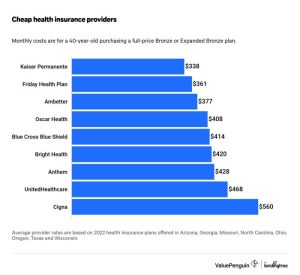
When it comes to health insurance coverage for diabetes screenings, it is essential to understand the common plans that cover these screenings, along with details on copayments, deductibles, and potential barriers individuals may face.
Common Health Insurance Plans for Diabetes Screenings
- Medicare: Medicare typically covers diabetes screenings for individuals who meet certain criteria. Copayments and deductibles may apply depending on the specific plan.
- Private Health Insurance: Many private health insurance plans also cover diabetes screenings as part of preventive care services. However, coverage may vary, so it is important to check with your insurance provider.
- Medicaid: Medicaid provides coverage for diabetes screenings for eligible individuals. Copayments and deductibles may be minimal or nonexistent for those who qualify.
Copayments and Deductibles for Screenings
- Copayments: The amount you pay out of pocket for a diabetes screening can vary depending on your insurance plan. Some plans may cover the full cost, while others may require a copayment.
- Deductibles: Deductibles are the amount you must pay before your insurance starts covering the cost of diabetes screenings. Make sure to check your plan details to understand your deductible requirements.
Potential Barriers Related to Health Insurance Coverage
- Lack of Coverage: Some individuals may not have health insurance coverage for diabetes screenings, making it difficult to access preventive care services.
- High Copayments: High copayments for diabetes screenings can be a barrier for individuals who may struggle to afford out-of-pocket costs.
- Insurance Denials: In some cases, insurance providers may deny coverage for diabetes screenings, leading to challenges in accessing essential preventive care.
Health Policies Impacting Diabetes Screenings
Government policies play a crucial role in shaping access to healthcare services, including diabetes screenings. These policies can either support or hinder the availability and affordability of screenings for individuals at risk of or already living with diabetes. Let’s delve into the impact of health policies on diabetes screenings and explore successful interventions in diabetes care.
Government Regulations and Diabetes Screenings
Government regulations are essential in promoting diabetes screenings by setting standards for healthcare providers and ensuring the availability of screening services. Policies that mandate insurance coverage for diabetes screenings help increase access for individuals who may not otherwise afford these services. By implementing regulations that prioritize preventive care, governments can encourage early detection of diabetes and reduce the burden of the disease on individuals and healthcare systems.
- Regulations mandating coverage for diabetes screenings under public health insurance programs increase the likelihood that individuals will seek screening services.
- Government initiatives that offer free or subsidized screenings in underserved communities help bridge the gap in access to healthcare services for vulnerable populations.
- Regulations requiring healthcare providers to offer diabetes screenings as part of routine care encourage proactive management of diabetes risk factors.
Successful Policy Interventions in Diabetes Care
Several successful policy interventions have been implemented to improve diabetes care and increase access to screenings.
-
Medicare’s coverage of diabetes screenings for beneficiaries with risk factors has led to increased screening rates among older adults.
-
State-level initiatives that provide financial incentives to healthcare providers for offering diabetes screenings have shown promising results in increasing screening rates.
-
Public health campaigns that raise awareness about the importance of diabetes screenings and promote available resources have helped educate communities and encourage screening uptake.
Health Records and Diabetes Screenings
Accurate health records play a crucial role in managing diabetes effectively. These records provide healthcare providers with essential information about a patient’s medical history, ongoing treatments, and test results related to diabetes.
Importance of Accurate Health Records
Maintaining precise health records is vital for diabetes management as it helps healthcare professionals track the progression of the disease, evaluate the effectiveness of treatment plans, and make informed decisions regarding screenings and interventions. Without accurate records, there is a risk of misdiagnosis, improper medication management, and delays in necessary screenings.
- Health records assist in monitoring blood glucose levels, A1C levels, and other key indicators of diabetes control.
- They provide a comprehensive view of a patient’s health status, allowing for personalized care and timely interventions.
- Accurate records enable better coordination of care among healthcare providers involved in the patient’s diabetes management.
Electronic Health Records and Diabetes Screenings
Electronic health records (EHRs) have revolutionized the way healthcare providers access and share patient information, making diabetes screenings more efficient and effective. EHRs allow for seamless communication between different healthcare settings, ensuring that screenings are conducted timely and accurately.
- EHRs enable healthcare providers to access a patient’s medical history, lab results, and screening schedules in real-time, enhancing the quality of diabetes screenings.
- They streamline the process of ordering screenings, tracking results, and following up on abnormalities, leading to better diabetes management outcomes.
- Integration of EHRs with decision support tools can help identify at-risk patients who require more frequent screenings, improving early detection and intervention for diabetes-related complications.
Privacy Concerns Related to Sharing Health Records for Screenings
While EHRs offer numerous benefits in diabetes screenings, there are legitimate privacy concerns regarding the sharing of health records. Patients may worry about the security of their sensitive health information and the potential misuse of data by unauthorized parties.
- Healthcare providers must adhere to strict privacy regulations, such as HIPAA, to ensure the confidentiality and security of patient health records during screenings.
- Patient consent is often required for sharing health records for screenings, giving individuals control over who can access their medical information and for what purposes.
- Data encryption, secure transmission methods, and access controls are essential measures to protect health records from data breaches and unauthorized access during screenings.
Advances in Health Screening Technologies for Diabetes
Health screening for diabetes has greatly benefited from advancements in technology, leading to more efficient and accurate screenings. New technologies have revolutionized the way diabetes is detected and managed, offering hope for improved outcomes for patients.
Role of Artificial Intelligence in Diabetes Screening
Artificial intelligence (AI) has emerged as a powerful tool in diabetes screening, helping healthcare providers analyze large amounts of data quickly and accurately. AI algorithms can detect patterns and trends in health records that may indicate a risk of diabetes, allowing for earlier intervention and treatment.
Future Trends in Health Screening for Diabetes
Looking ahead, the future of health screening for diabetes is promising, with continuous glucose monitoring devices becoming more sophisticated and accessible. These devices can provide real-time data on blood sugar levels, enabling individuals to monitor and manage their condition more effectively. Additionally, research is ongoing to develop non-invasive methods of glucose monitoring, such as smart contact lenses or wearable patches, which could revolutionize diabetes care in the years to come.
In conclusion, Health Screening for Diabetes plays a crucial role in early detection and management, ensuring better health outcomes and quality of life for individuals at risk of diabetes. Stay informed, stay healthy!
Query Resolution
What are the most common types of screenings for diabetes?
Common screenings include blood glucose tests, A1C tests, and oral glucose tolerance tests.
How can individuals improve access to diabetes screenings?
Individuals can seek community health centers, mobile clinics, or free screening events for accessible screenings.
Are there any financial assistance options available for diabetes screenings?
Some organizations offer financial aid, grants, or subsidies for individuals who need assistance with diabetes screening costs.