
Electronic Health Records (EHR) Solutions sets the stage for this enthralling narrative, offering readers a glimpse into a story that is rich in detail with casual formal language style and brimming with originality from the outset.
In the realm of modern healthcare, Electronic Health Records (EHR) Solutions play a pivotal role in revolutionizing the way patient information is managed and accessed. From enhancing efficiency to improving patient outcomes, EHR solutions have become a cornerstone of contemporary medical practices.
Electronic Health Records (EHR) Solutions
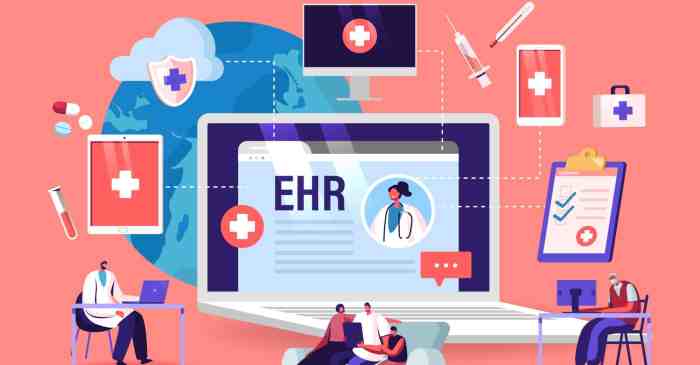
Electronic Health Records (EHR) solutions play a crucial role in modern healthcare by digitizing patient information, medical history, diagnoses, treatments, and other essential health data. This digital transformation has revolutionized the way healthcare providers manage patient care and streamline processes.
Benefits of Implementing EHR Solutions for Healthcare Providers
Implementing EHR solutions offers numerous benefits to healthcare providers, including:
- Improved Efficiency: EHR solutions streamline workflows, reduce paperwork, and enable quick access to patient records, leading to enhanced efficiency in healthcare delivery.
- Enhanced Patient Care: With EHR solutions, healthcare providers can access comprehensive patient information, leading to better diagnoses, treatment plans, and coordinated care.
- Cost Savings: EHR solutions reduce costs associated with paper-based systems, minimize errors, and improve billing processes, resulting in cost savings for healthcare providers.
- Data Security: EHR solutions ensure the security and privacy of patient information through encryption, access controls, and backups, safeguarding sensitive data from unauthorized access.
Comparison of Different EHR Software Available in the Market
When choosing an EHR software, healthcare providers should consider factors such as:
- Customization Options: Some EHR software offers customizable features to meet the specific needs of healthcare practices, while others have standardized templates.
- Interoperability: The ability of EHR software to integrate with other systems and exchange data securely is crucial for seamless communication between healthcare providers.
- User-Friendly Interface: EHR software should have an intuitive interface that is easy to navigate, reducing the learning curve for healthcare providers and improving usability.
- Scalability: Healthcare providers should choose EHR software that can scale with their practice size and accommodate future growth without compromising performance.
Healthcare Access
Electronic Health Records (EHR) solutions play a crucial role in improving access to healthcare services by digitizing and streamlining patient information, allowing for easier and quicker sharing of medical records among healthcare providers.
Bridging the Gap for Underserved Populations
EHR solutions bridge the gap for underserved populations by enabling healthcare providers to access patient information remotely, leading to better coordination of care. This is particularly beneficial for patients in rural areas or those with limited access to healthcare facilities.
Role of EHR Solutions in Telemedicine and Remote Patient Monitoring
EHR solutions are essential in telemedicine and remote patient monitoring as they enable healthcare providers to remotely access patient data, monitor vital signs, and provide virtual consultations. This technology has become increasingly important, especially during the COVID-19 pandemic, allowing for continued care while minimizing the risk of exposure to the virus.
Healthcare Costs
Electronic Health Records (EHR) solutions play a significant role in impacting healthcare costs for both providers and patients. By streamlining processes, reducing errors, and improving communication, EHR systems can lead to cost-saving opportunities and ultimately reduce overall healthcare expenses.
Impact on Provider Costs
- Implementation of EHR solutions can reduce administrative costs associated with paper-based record-keeping, such as printing, storage, and manual chart reviews.
- Integration of EHR systems with billing and coding processes can help providers optimize revenue cycles and minimize claim denials, leading to increased financial efficiency.
- Improved accuracy and accessibility of patient data through EHRs can enhance clinical decision-making, potentially reducing unnecessary tests, procedures, and hospital readmissions.
Impact on Patient Costs
- Enhanced coordination of care and communication among healthcare providers through EHR systems can prevent duplicate tests and treatments, ultimately lowering out-of-pocket expenses for patients.
- Timely access to medical records and lab results via EHR portals can empower patients to actively participate in their healthcare management, potentially reducing emergency room visits and hospitalizations.
Case Studies
One notable case study conducted by the University of California, San Francisco Medical Center reported a 47% decrease in medication errors and a 9% reduction in healthcare costs after implementing an EHR system.
In another example, the Cleveland Clinic saved approximately $150 million annually by leveraging EHR solutions to streamline workflows, enhance patient safety, and improve care coordination.
Healthcare Providers
In the fast-paced world of healthcare, Electronic Health Record (EHR) solutions play a crucial role in streamlining workflows for healthcare providers. These digital systems allow for efficient documentation, easy access to patient information, and seamless communication between healthcare team members.
Training and Support for EHR Systems
- Comprehensive Training Programs: Healthcare providers need thorough training on how to effectively use EHR systems. This includes understanding the functionalities, data entry processes, and security protocols.
- Ongoing Support: Continuous support is essential to address any issues or questions that may arise while using EHR systems. This can be provided through help desks, online resources, or dedicated IT support teams.
- Regular Updates: Healthcare providers should receive regular updates on new features or changes in the EHR system to ensure they are using the most up-to-date version.
Best Practices for EHR Integration
- Customization: Tailoring the EHR system to fit the specific needs of the medical practice can improve efficiency and accuracy in documentation.
- Interoperability: Ensuring that the EHR system can seamlessly integrate with other healthcare systems and devices allows for better coordination of care.
- Data Security: Implementing strict security measures to protect patient data is crucial when integrating EHR solutions into medical practices.
Health Insurance
The relationship between Electronic Health Records (EHR) solutions and health insurance companies is crucial in the modern healthcare landscape. EHR systems play a significant role in streamlining processes, improving patient care, and reducing costs for both healthcare providers and insurers.EHR solutions have a direct impact on insurance claims processing and reimbursements. By providing accurate and up-to-date patient information, EHR systems help insurance companies verify the services provided and ensure that claims are processed efficiently.
This reduces the chances of errors or discrepancies, leading to faster reimbursements for healthcare providers and a smoother experience for patients.Insurance providers utilize EHR data to improve patient care and outcomes by having access to comprehensive health records. With EHR systems, insurers can track a patient’s medical history, treatments, medications, and test results in real-time. This enables them to make more informed decisions, coordinate care more effectively, and ultimately enhance the quality of healthcare services provided to patients.
Utilization of EHR Data
EHR data is utilized by insurance providers to:
- Assess the medical necessity of treatments and procedures.
- Identify potential gaps in care and preventive measures.
- Analyze trends in patient health and outcomes for population health management.
- Support value-based care initiatives by incentivizing quality over quantity.
- Streamline communication and collaboration between healthcare providers and insurers.
Health Policies
The regulatory landscape governing EHR solutions in healthcare plays a crucial role in shaping how healthcare organizations operate and deliver services. Compliance requirements for EHR implementation are stringent and must be met to ensure patient data privacy and security. Health policies have a significant impact on the adoption and use of EHR systems, influencing how healthcare providers leverage technology to improve patient care and outcomes.
Regulatory Landscape
- Healthcare organizations must adhere to regulations such as HIPAA (Health Insurance Portability and Accountability Act) to protect patient health information.
- Government agencies like the ONC (Office of the National Coordinator for Health Information Technology) oversee the implementation and use of EHR systems.
- Regulatory bodies set standards for interoperability and data exchange among different healthcare providers to ensure seamless communication.
Compliance Requirements
- Healthcare organizations are required to conduct regular risk assessments to identify vulnerabilities in their EHR systems.
- Training staff on proper EHR use and data security protocols is essential for compliance with regulatory requirements.
- Maintaining audit logs and documentation of EHR access and modifications is necessary to demonstrate compliance with regulations.
Impact on Adoption and Use
- Health policies influence the pace of EHR adoption, as organizations must invest resources in compliance to meet regulatory standards.
- Regulatory requirements can also dictate the functionality and features of EHR systems, affecting how healthcare providers utilize these tools in their practices.
- Policies promoting interoperability and data sharing can enhance the effectiveness of EHR systems in improving patient care coordination and outcomes.
Health Records
Maintaining accurate and secure health records is crucial for providing quality healthcare services and ensuring patient safety. Electronic Health Record (EHR) solutions play a vital role in this process by digitizing and centralizing patient information, making it easily accessible to healthcare providers while maintaining confidentiality and integrity.
Interoperability Challenges
Interoperability challenges arise when EHR systems from different healthcare providers or facilities are unable to seamlessly share health records due to incompatible formats or systems. This can lead to gaps in patient information, potentially compromising patient care and treatment outcomes.
- One example of interoperability challenges is the lack of standardized data exchange protocols among EHR systems, making it difficult for different systems to communicate effectively.
- Another challenge is the presence of proprietary software or closed systems that limit the sharing of health records outside of a specific network or organization.
- Issues with data security and privacy concerns also contribute to interoperability challenges, as healthcare providers may be hesitant to share sensitive patient information across systems.
Privacy and Confidentiality
EHR solutions employ various measures to ensure the privacy and confidentiality of health records, safeguarding sensitive patient information from unauthorized access or breaches.
- EHR systems use encryption techniques to secure data during transmission and storage, preventing unauthorized users from intercepting or accessing sensitive information.
- Access controls and user authentication mechanisms help restrict access to health records based on roles and permissions, ensuring that only authorized personnel can view or modify patient data.
- Audit trails and logging functionalities track user activities within the EHR system, allowing administrators to monitor and investigate any unauthorized access or breaches of patient records.
Health Screening
Electronic Health Records (EHR) solutions play a crucial role in facilitating health screenings and preventive care for patients. By integrating health screening data into EHR systems, healthcare providers can maintain comprehensive and up-to-date patient records, ensuring proactive management of health conditions.
Benefits of EHR Solutions for Health Screening
- Efficient Tracking: EHR solutions enable healthcare providers to efficiently track and monitor health screening schedules for patients, ensuring timely screenings are conducted.
- Comprehensive Records: By integrating health screening data into EHR systems, providers have access to a complete patient history, allowing for better-informed decision-making and personalized care.
- Improved Coordination: EHR solutions facilitate seamless coordination between healthcare providers involved in a patient’s care, ensuring that health screening results are shared and acted upon promptly.
- Enhanced Preventive Care: With easy access to health screening data, providers can proactively identify and address potential health issues before they escalate, leading to improved preventive care measures.
As we conclude this exploration of Electronic Health Records (EHR) Solutions, it becomes evident that the integration of these systems is not just a technological advancement but a fundamental shift towards a more streamlined and effective healthcare landscape. With their ability to enhance patient care, reduce costs, and improve overall efficiency, EHR solutions stand as a beacon of innovation in the healthcare industry.
User Queries
How do EHR solutions impact healthcare costs?
EHR solutions can lead to cost savings by reducing paperwork, minimizing errors, and streamlining administrative tasks, ultimately improving efficiency and reducing operational expenses for healthcare providers.
What are the benefits of integrating EHR solutions into medical practices?
Integrating EHR solutions can streamline workflows, enhance data accuracy, improve communication among healthcare providers, and ultimately lead to better patient care outcomes.
How do EHR solutions ensure the privacy of health records?
EHR solutions employ robust security measures such as encryption, access controls, and regular audits to ensure that patient health records are kept confidential and secure from unauthorized access.


