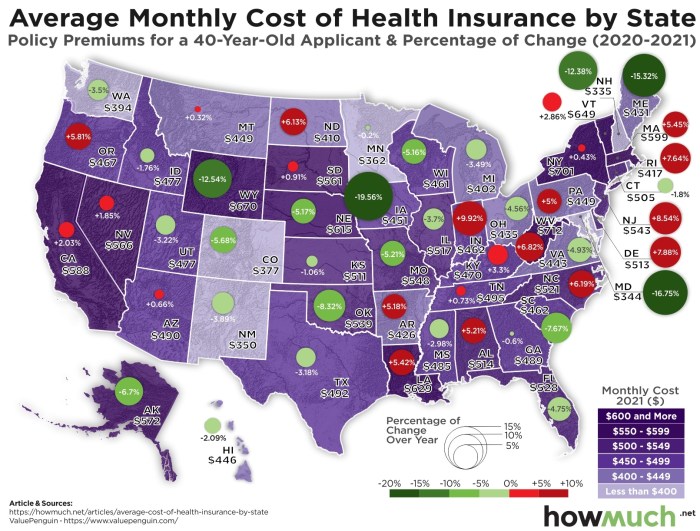
Embark on a journey into the realm of Healthcare Costs in the U.S. 2024, where we unravel the complexities of managing expenses and ensuring access to quality care.
Exploring the current landscape of healthcare costs and access, we delve into the intricacies of the system that impacts individuals across the nation.
Healthcare Access

In the United States, access to healthcare services remains a critical issue that affects millions of individuals and families. Despite advances in medical technology and treatments, not everyone has equal access to quality healthcare.
Factors Impacting Healthcare Access
- Lack of health insurance coverage: Many individuals, especially those from low-income households, face barriers to healthcare due to the high cost of insurance premiums and out-of-pocket expenses.
- Geographic location: Rural areas often have fewer healthcare facilities and providers, making it challenging for residents to access timely medical care.
- Socioeconomic status: Income level and education can impact an individual’s ability to afford healthcare services and navigate the complex healthcare system.
- Cultural and language barriers: Limited access to interpreters or culturally competent care can prevent individuals from seeking necessary medical treatment.
Urban vs. Rural Healthcare Access
Disparities in healthcare access are particularly pronounced between urban and rural areas in the U.S.:
| Urban Areas | Rural Areas |
|---|---|
| Higher concentration of healthcare facilities and specialists | Limited access to healthcare providers and specialists |
| Greater availability of public transportation options | Lack of reliable transportation to reach healthcare facilities |
| Increased access to specialty care and advanced medical treatments | Shortage of specialty care services, leading to long wait times for appointments |
Healthcare Costs
In the United States, healthcare costs have been steadily increasing over the years, with various factors contributing to this trend. From 2010 to 2020, the average annual growth rate of healthcare costs was around 4%, outpacing inflation and wage growth.
Examples of Common Healthcare Expenses
- Insurance premiums: Individuals often have to pay monthly premiums to have health insurance coverage.
- Co-payments and deductibles: These are out-of-pocket costs that individuals must pay when receiving healthcare services.
- Prescription drugs: The cost of medications can be a significant expense, especially for individuals with chronic conditions.
- Medical procedures: Costs for surgeries, diagnostic tests, and hospital stays can add up quickly.
Impact of Rising Healthcare Costs
The continuous rise in healthcare costs has put a strain on the population, leading to various consequences. Many individuals may delay or forgo necessary medical care due to financial constraints, potentially worsening their health outcomes. High healthcare costs can also result in financial instability, medical debt, and bankruptcy for some individuals and families.
Healthcare Providers
In the U.S. healthcare system, healthcare providers play a crucial role in delivering medical services to patients. These providers encompass a wide range of professionals, including primary care physicians, specialists, nurses, and allied health professionals.
Primary Care Physicians vs. Specialists
Primary care physicians serve as the initial point of contact for patients seeking medical care. They focus on preventive care, general health maintenance, and the management of common illnesses. On the other hand, specialists have advanced training in specific areas of medicine, such as cardiology, oncology, or neurology. They are typically consulted for complex medical conditions that require specialized expertise.
- Primary Care Physicians:
- Provide comprehensive and continuous care for patients.
- Manage chronic conditions and coordinate care with specialists.
- Emphasize preventive care and health promotion.
- Specialists:
- Offer in-depth knowledge and expertise in specific medical fields.
- Perform specialized procedures and treatments.
- Collaborate with primary care physicians to deliver comprehensive care.
Challenges Faced by Healthcare Providers
Healthcare providers encounter various challenges in delivering quality care to patients. These challenges can include:
- Increasing administrative burdens, such as paperwork and documentation requirements, leading to reduced time with patients.
- Financial pressures, including declining reimbursements and rising malpractice insurance costs.
- Burnout and stress due to heavy workloads, long hours, and emotional demands of patient care.
- Keeping up with rapidly evolving medical technologies and treatment options.
- Health disparities and access issues that impact underserved populations.
Health Insurance
Health insurance coverage plays a crucial role in managing healthcare costs by providing individuals with financial protection against high medical expenses. It helps ensure that people have access to necessary healthcare services without facing significant financial burdens.
Types of Health Insurance Plans
- Health Maintenance Organization (HMO): These plans require individuals to choose a primary care physician and obtain referrals to see specialists.
- Preferred Provider Organization (PPO): PPO plans offer more flexibility in choosing healthcare providers, both in-network and out-of-network, without referrals.
- High Deductible Health Plan (HDHP): HDHPs have lower premiums but higher deductibles, often paired with Health Savings Accounts (HSAs) to save for medical expenses.
- Exclusive Provider Organization (EPO): EPO plans offer coverage only for in-network providers, except in emergencies.
Impact of Health Insurance Policies on Healthcare Access
Health insurance policies can significantly impact healthcare access by determining the providers individuals can see, the services covered, and the out-of-pocket costs. Lack of insurance coverage can lead to delayed care, limited treatment options, and financial barriers to accessing necessary medical services. On the other hand, comprehensive insurance plans can improve healthcare access by reducing financial barriers and enabling individuals to seek timely and appropriate care.
Health Policies
Health policies play a crucial role in shaping the healthcare landscape in the United States, influencing costs and access to care for millions of Americans. Let’s delve into recent policies and their impact on healthcare costs, as well as the role of government regulations in this complex system.
Recent Healthcare Policies in the U.S.
- The Affordable Care Act (ACA), also known as Obamacare, has been a significant healthcare policy that aimed to increase access to health insurance coverage for Americans. While it has helped millions gain insurance, critics argue that it has also contributed to rising healthcare costs.
- The introduction of value-based care models, which focus on improving patient outcomes while reducing costs, has been another key policy initiative. By incentivizing quality care over quantity, these models aim to lower overall healthcare spending in the long term.
Government Regulations and Healthcare Costs
- Government regulations play a crucial role in shaping the healthcare landscape by setting standards for healthcare providers, insurers, and pharmaceutical companies. These regulations are designed to ensure patient safety, quality of care, and fair pricing.
- However, some argue that excessive regulations can also lead to increased administrative burden and compliance costs for healthcare providers, which can ultimately drive up healthcare costs for consumers.
Comparison of Healthcare Policies Across States
- Healthcare policies can vary significantly from state to state in the U.S., leading to disparities in access to care and healthcare costs. States have the flexibility to implement their own policies, such as Medicaid expansion or insurance regulations, which can impact the overall healthcare system.
- States like California and Massachusetts have implemented progressive healthcare policies, including universal healthcare coverage initiatives, while other states have taken a more conservative approach with limited government intervention in healthcare.
Health Records
Electronic health records play a crucial role in modern healthcare by digitizing patient information and medical history, enabling healthcare providers to access and share data efficiently.
Significance of Electronic Health Records
- Facilitate quick access to patient information
- Improve coordination of care among healthcare providers
- Reduce medical errors through accurate and up-to-date data
Benefits of Comprehensive Health Records
- Enable personalized treatment plans based on complete medical history
- Enhance patient engagement and empowerment through access to their own records
- Support research and population health management with aggregated data
Challenges of Maintaining and Securing Health Records
- Ensuring data privacy and compliance with regulations like HIPAA
- Managing interoperability between different electronic health record systems
- Protecting against cybersecurity threats and data breaches
Health Screening
Routine health screenings play a crucial role in preventive care by helping to detect potential health issues early on, before they develop into more serious conditions. This proactive approach not only improves health outcomes but also helps in reducing overall healthcare costs.
Common Health Screenings by Age Group
- Children and Adolescents:
- Regular pediatric check-ups for growth monitoring and immunizations.
- Vision and hearing screenings in school-aged children.
- Scoliosis screenings during adolescence.
- Adults:
- Blood pressure, cholesterol, and diabetes screenings.
- Colon cancer screenings starting at age 50.
- Mammograms for women starting at age 40.
- Elderly:
- Osteoporosis screenings for women over 65.
- Cognitive screenings for memory-related issues.
- Falls risk assessments for injury prevention.
Regular health screenings help in early detection of diseases, allowing for timely intervention and management. This can lead to better health outcomes, reduced hospitalizations, and ultimately, lower healthcare costs in the long run.
Concluding our discussion on Healthcare Costs in the U.S. 2024, it’s evident that striking a balance between affordability and quality remains a crucial challenge in the ever-evolving healthcare sector.
FAQ Explained
How do healthcare costs in the U.S. compare to other countries?
Healthcare costs in the U.S. are significantly higher compared to other developed nations due to various factors such as administrative expenses and higher prices for medical services.
Are there any initiatives in place to lower healthcare costs in the U.S. by 2024?
Several initiatives focus on reducing healthcare costs, including value-based care models, telemedicine services, and increased price transparency to empower patients in making informed decisions.
What impact do rising healthcare costs have on vulnerable populations?
Rising healthcare costs disproportionately affect vulnerable populations, leading to barriers in accessing essential care and worsening health outcomes for those with limited financial resources.


