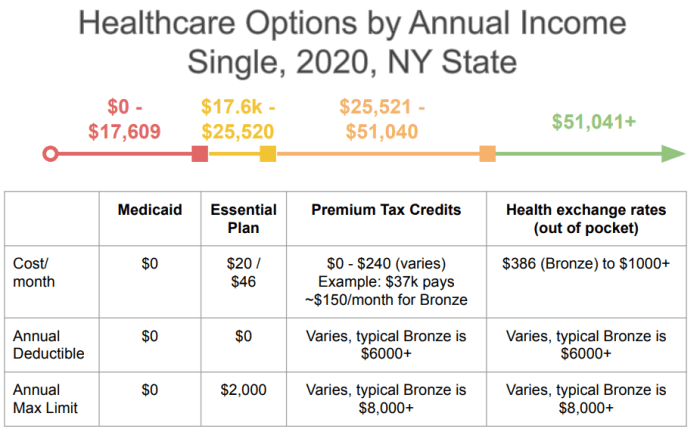
Starting with Private Health Insurance Plans, this introduction aims to provide a comprehensive overview of how these plans impact various aspects of healthcare for individuals, from access to costs and healthcare providers.
Healthcare Access

Access to healthcare is crucial for maintaining overall well-being and addressing medical needs in a timely manner. Private health insurance plans play a significant role in determining an individual’s access to healthcare services, as they can impact the range of providers and services covered, as well as the out-of-pocket costs for the insured individual.
Impact of Private Health Insurance Plans on Healthcare Access
Private health insurance plans often offer a broader network of healthcare providers compared to public health insurance options. This means that individuals with private insurance may have more choices when it comes to selecting doctors, specialists, and hospitals for their care. Additionally, private health insurance plans may cover a wider range of services, such as preventive care, dental care, and mental health services, which can contribute to better overall health outcomes for the insured individual.On the other hand, individuals without private health insurance may face limitations in accessing healthcare services.
They may rely on public healthcare options, which can have longer wait times for appointments and limited coverage for certain services. This can result in delayed care and potential health complications for uninsured individuals.In summary, private health insurance plans can provide individuals with greater access to a variety of healthcare services and providers, ultimately leading to more comprehensive and timely care compared to those without private insurance.
Healthcare Costs
Private health insurance plans play a crucial role in determining healthcare costs for individuals, influencing the affordability and accessibility of medical services. These plans can have a significant impact on managing and reducing healthcare expenses through various mechanisms and coverage options.
Cost Management Strategies
- One way private health insurance plans help manage healthcare costs is by negotiating discounted rates with healthcare providers. This can result in lower out-of-pocket expenses for policyholders.
- Utilization management programs implemented by insurance companies can help ensure that medical services are medically necessary, reducing unnecessary procedures and costs.
- Health maintenance benefits, such as preventive care coverage, can lead to early detection and treatment of health issues, potentially lowering overall healthcare expenses in the long run.
Factors Influencing Healthcare Costs
- Provider Networks: The size and quality of the network of healthcare providers contracted by the insurance plan can impact costs, with larger networks often offering more affordable care options.
- Deductibles and Copayments: The amount individuals are required to pay out of pocket before insurance coverage kicks in (deductibles) and the set fees for services (copayments) can affect overall healthcare expenses.
- Coverage Limits: Restrictions on coverage for specific treatments, procedures, or medications can influence costs, as individuals may need to pay for these services themselves.
Healthcare Providers
The role of healthcare providers within the context of private health insurance plans is crucial. These providers include doctors, specialists, hospitals, clinics, and other medical professionals who offer healthcare services to patients covered by private insurance.Private health insurance plans impact the relationship between patients and healthcare providers in several ways. Firstly, these plans often provide patients with a broader network of healthcare providers to choose from, giving them more options for quality care.
Additionally, private insurance plans may offer faster access to specialized care and treatments, leading to improved patient outcomes. However, some challenges may arise, such as restrictions on which providers are covered under a specific plan or limitations on the number of visits allowed.
Benefits and Challenges of Accessing Different Healthcare Providers
- Benefits:
- Access to a wider network of healthcare providers for specialized care.
- Possibility of faster access to treatments and services.
- Potential for improved patient outcomes due to better quality of care.
- Challenges:
- Restrictions on which providers are covered under a specific plan.
- Limits on the number of visits or treatments allowed by the insurance plan.
- Potential for out-of-pocket expenses if choosing an out-of-network provider.
Health Insurance
Private health insurance plays a crucial role in the healthcare industry by providing individuals with access to a broader range of medical services beyond what public healthcare systems offer. It offers additional coverage for services such as dental care, vision care, prescription drugs, and other treatments not covered under government-funded plans.
Types of Coverage Offered
Private health insurance plans typically offer different types of coverage depending on the needs and preferences of the insured individual. Some common types of coverage include:
- Hospitalization coverage: This includes expenses related to inpatient hospital stays, surgeries, and other medical procedures that require hospital care.
- Outpatient coverage: Covers expenses for medical services received outside of a hospital setting, such as doctor’s visits, diagnostic tests, and specialist consultations.
- Prescription drug coverage: Helps offset the cost of prescription medications prescribed by healthcare providers.
- Dental and vision coverage: Provides benefits for dental treatments, eye examinations, and eyewear.
- Mental health coverage: Includes services related to mental health and substance abuse treatment.
Variations in Coverage and Premiums
Private health insurance plans can vary significantly in terms of coverage and premiums based on factors such as the level of coverage, deductibles, co-payments, and network of healthcare providers. For example, some plans may offer comprehensive coverage with higher premiums, while others may have more limited coverage options at lower costs. Additionally, premiums can be influenced by factors such as age, health status, location, and lifestyle choices.
Health Policies
Health policies play a crucial role in shaping private health insurance plans by setting guidelines and regulations that govern how these plans operate.
Government Regulations Impact
Government regulations have a significant impact on private health insurance policies, influencing aspects such as coverage requirements, pricing structures, and eligibility criteria.
- Regulations often aim to ensure that private health insurance plans provide adequate coverage for essential healthcare services.
- Government oversight helps protect consumers from unfair practices and ensures that insurance companies operate in a transparent and ethical manner.
- Regulations may also dictate how private health insurance plans interact with healthcare providers and manage costs to maintain affordability for policyholders.
Changes in Health Policies
Changes in health policies can have a profound effect on the landscape of private health insurance plans, leading to shifts in coverage options, pricing models, and overall accessibility.
- Policy changes may expand or limit the types of services covered by private health insurance plans, impacting the scope of healthcare available to policyholders.
- Updates to health policies can also alter the competitive dynamics among insurance providers, influencing market trends and the availability of plan options for consumers.
- Government initiatives to address healthcare disparities or improve quality standards can prompt adjustments in private health insurance policies to align with broader public health goals.
Health Records
Maintaining accurate health records is crucial when it comes to private health insurance plans. These records provide a comprehensive overview of an individual’s medical history, treatments, and ongoing health conditions. They play a significant role in determining coverage, assessing claims, and ensuring proper care.
Importance of Health Records
- Health records help private health insurance companies evaluate an individual’s health status and determine appropriate coverage options.
- Accurate health records can streamline the claims process, reducing delays and ensuring timely reimbursement for medical expenses.
- Having complete and up-to-date health records can lead to better coordination of care among healthcare providers, resulting in improved health outcomes.
Utilization of Health Records by Insurance Companies
- Private health insurance companies use health records to assess the risk profile of policyholders, determine premium rates, and customize coverage based on individual health needs.
- These records are also utilized to verify the necessity of treatments, procedures, and medications claimed by policyholders, ensuring transparency and preventing fraud.
- Health records serve as a valuable tool for insurance companies to monitor the health status of their members and provide proactive support for preventive care.
Managing and Protecting Health Records
- Individuals should keep copies of all medical records, including test results, prescriptions, and treatment summaries, in a secure and easily accessible location.
- Utilize secure digital platforms or online portals provided by healthcare providers to store and access health records conveniently.
- Ensure that sensitive health information is protected with strong passwords, encryption, and regular data backups to safeguard against unauthorized access or loss.
Health Screening
Regular health screenings play a crucial role in private health insurance plans as they focus on preventive care to detect potential health issues early on. This proactive approach can lead to better health outcomes and lower healthcare costs in the long run.
Significance of Preventive Health Screenings Covered by Private Health Insurance
- Preventive health screenings covered by private health insurance plans help individuals stay proactive about their health and identify any potential health risks before they escalate.
- Early detection through screenings can lead to timely interventions, reducing the risk of developing serious health conditions.
- Health screenings can also promote healthier lifestyle choices and encourage individuals to take charge of their well-being.
Examples of Common Health Screenings Included in Private Health Insurance Plans and Their Benefits
- Annual Physical Exams: These exams can help detect any underlying health issues and monitor overall health status.
- Blood Pressure Screening: Regular monitoring of blood pressure levels can help prevent cardiovascular diseases.
- Cholesterol Testing: Checking cholesterol levels can help assess the risk of heart disease and stroke.
- Mammograms and Pap Smears: These screenings are essential for early detection of breast and cervical cancers.
- Colonoscopy: Screening for colon cancer can detect abnormalities early, increasing the chances of successful treatment.
In conclusion, Private Health Insurance Plans play a crucial role in shaping individuals’ healthcare experiences by influencing access, costs, relationships with providers, and more. Understanding these plans can empower individuals to make informed decisions about their healthcare needs.
FAQ Overview
How do private health insurance plans impact access to healthcare services?
Private health insurance plans can provide individuals with access to a broader network of healthcare providers and facilities compared to those without insurance.
What factors influence the costs of healthcare services under private health insurance plans?
The costs can be influenced by the type of coverage, deductibles, copayments, and the specific healthcare services sought.
How do health policies shape private health insurance plans?
Health policies set the guidelines and regulations that private health insurance plans must adhere to, impacting the coverage and services offered.


